
How Does Copper Stranded Wire Improve Reliability in Power and Control Cables?
Abstract
Choosing the right conductor is one of those decisions that looks simple until a project starts failing in the real world: overheating in a tight conduit, broken strands at a termination, unstable readings in control circuits, or downtime caused by vibration fatigue. Copper Stranded Wire is often selected to prevent exactly these problems—by balancing conductivity, flexibility, and mechanical durability. In this article, I’ll walk through the most common buyer pain points (voltage drop, bend radius, termination quality, corrosion risk, inspection standards, and supplier consistency) and show how to specify the right strand construction, size, and surface finish for your application. You’ll also find practical checklists, comparison tables, and a clear FAQ section so you can move from “we think this is fine” to “we know this will hold up.”
Table of Contents
- Article Outline
- Customer Pain Points This Solves
- What Copper Stranded Wire Is
- When Stranded Beats Solid
- How to Specify It Without Guesswork
- Comparison Table
- Termination and Installation Tips
- Quality Checks Buyers Should Request
- Common Applications
- Choosing a Consistent Supplier
- FAQ
- Conclusion
Article Outline
- Define Copper Stranded Wire and the problems it is designed to prevent
- Map real buyer pain points to conductor choices
- Explain stranding construction, sizing, and surface options (bare vs tinned)
- Provide a practical specification checklist
- Show a comparison table to make trade-offs obvious
- Cover termination, inspection, and supplier verification
- Answer the questions procurement teams and engineers ask most
Customer Pain Points This Solves
Most complaints I hear about conductors aren’t really about the metal—they’re about what the conductor failed to survive. Here are the issues Copper Stranded Wire is commonly chosen to reduce:
- Cracking or breakage at terminations: repeated bending, vibration, or tight routing can fatigue solid conductors.
- Hot spots and overheating: undersized conductors or poor terminations create heat where you least want it.
- Voltage drop and unstable performance: long cable runs or high current loads punish under-specified wire.
- Corrosion-driven failures: humidity, salt air, and chemical exposure can attack conductors and connections.
- Inconsistent batches from suppliers: strand count, diameter tolerance, and surface condition can vary if process control is weak.
- Slow installation and rework: cables that fight you during routing and termination cost time and labor.
What Copper Stranded Wire Is
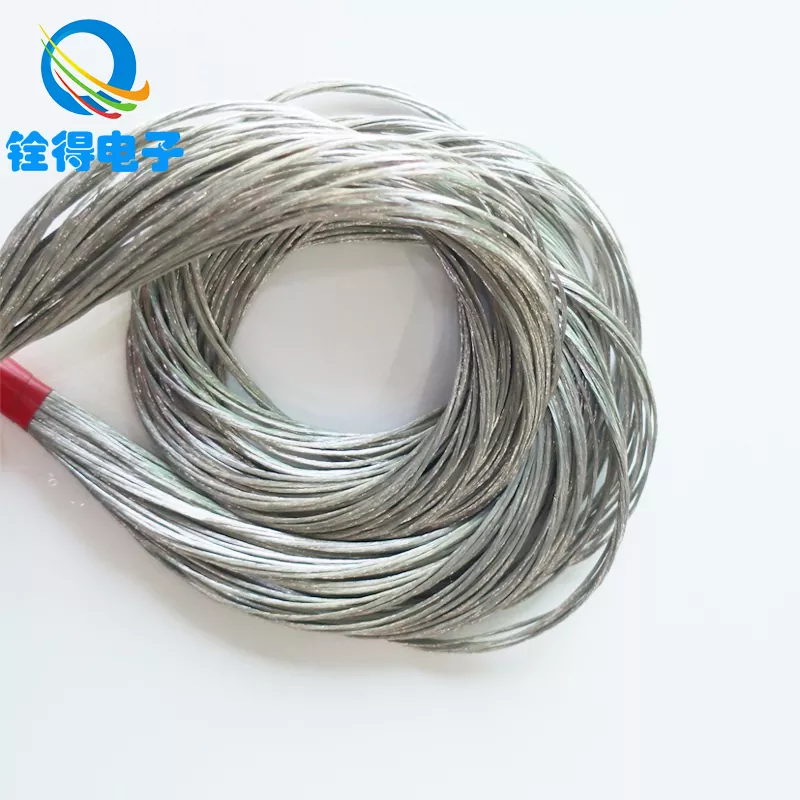
Copper Stranded Wire is a conductor made by twisting multiple smaller copper filaments (strands) into a single conductor of a specified cross-sectional area. Instead of one rigid piece of metal, you get a bundle that shares mechanical stress across many strands. That design matters because most real installations involve movement—vibration from motors, flexing in harnesses, tight bends inside control panels, or repeated opening and closing of cabinet doors.
The “stranded” part isn’t just a comfort feature—it’s a reliability feature. More strands (and smaller individual strand diameters) typically mean better flexibility, which usually means less fatigue at stress points. The catch is that flexibility must be matched with proper termination methods, otherwise you can lose the benefit at the very place you need it most.
When Stranded Beats Solid
If your installation is completely static, with generous bend radius and minimal vibration, solid conductors can be perfectly acceptable. But stranded conductors often win in any of these situations:
- Vibration: motors, compressors, pumps, fans, conveyors, and mobile equipment.
- Frequent movement: door loops, robotic arms, drag chains, handheld tools, portable generators.
- Complex routing: tight panels, cable trays with multiple direction changes, compact devices.
- High-density harnessing: where installers need speed and predictable handling.
- Maintenance cycles: any environment where cables get disturbed during servicing.
The practical way I frame it: if you can imagine a cable being bumped, pulled, flexed, or vibrating even a little—choose Copper Stranded Wire and then make terminations correctly.
How to Specify It Without Guesswork
Many purchase orders fail because they specify “copper stranded” without defining the parts that drive performance. Here’s a clean checklist you can hand to engineering, procurement, or your cable assembly partner:
- Conductor size: AWG or mm², chosen by current load, allowable voltage drop, and temperature rise.
- Stranding construction: strand count and individual strand diameter (flexibility depends on this).
- Surface finish: bare copper or tinned copper (often chosen for corrosion resistance and solderability).
- Annealed condition: softer copper improves flexibility; harder copper can resist deformation but flexes less.
- Operating environment: humidity, salt, chemicals, temperature range, and expected vibration level.
- Termination method: crimp, solder, ferrule, lug, or screw clamp—each prefers certain strand styles.
- Compliance requirements: if your industry demands specific standards, spell them out in the PO.
- Packaging and handling: spool size, cut length tolerance, labeling, and batch traceability.
One important buyer reality: if you don’t define stranding construction, you may receive a wire that technically matches the size but behaves very differently during installation.
Comparison Table
Use this table to quickly align conductor choice with risk, environment, and installation behavior:
| Option | Strengths | Watch-outs | Best Fit Scenarios |
|---|---|---|---|
| Bare Copper Stranded Wire | Excellent conductivity; cost-effective; widely available | Oxidation over time in harsh humidity; careful storage needed | General wiring, dry indoor panels, controlled environments |
| Tinned Copper Stranded Wire | Better corrosion resistance; improved solderability; stable surface | Slightly higher cost; confirm tin thickness and process control | Marine, humid plants, outdoor equipment, long storage cycles |
| Lower strand count (stiffer) | Easier to handle in some terminals; may hold shape in routing | Less flexible; higher fatigue risk at repeated bend points | Static panel wiring with generous bend radius |
| Higher strand count (more flexible) | Better flex life; easier routing; reduced breakage at stress points | Needs correct termination (ferrules/lugs) to avoid strand splay | Vibration, door loops, harnesses, dynamic motion equipment |
Termination and Installation Tips
A lot of “wire quality” complaints are actually termination problems in disguise. Stranded conductors can outperform solid conductors, but only if you protect the strands during stripping and termination.
- Use the right stripper: avoid nicking strands—nicks become crack starters under vibration.
- Prevent strand splay: if you’re landing into a screw clamp, ferrules can dramatically improve consistency.
- Crimp correctly: match lugs to conductor size and stranding type; verify crimp height/shape if possible.
- Respect bend radius: tight bends near terminations create repeated stress; route with gentle transitions.
- Control heat: overheating accelerates insulation aging and increases resistance at connections.
- Label and trace: especially for control wiring—miswires can look like electrical “noise” problems.
If you’re building harnesses, consider where movement happens and choose strand construction accordingly. The point of Copper Stranded Wire is to survive mechanical reality, not theoretical drawings.
Quality Checks Buyers Should Request
If you’ve ever received a batch that “looks fine” but behaves differently during assembly, you already know why consistency matters. Here are practical checks that can be requested and verified:
- Conductor diameter and tolerance: confirms the conductor meets size expectations for terminals and insulation systems.
- Strand count and strand diameter: protects your flexibility and termination performance assumptions.
- Surface condition: clean, uniform surface reduces contact resistance and improves soldering reliability.
- Continuity and resistance sampling: catches process drift early.
- Batch traceability: gives you accountability if an issue appears months later.
For many buyers, the goal isn’t to over-test—it’s to prevent rework. A little verification on Copper Stranded Wire can save days of troubleshooting later.
Common Applications
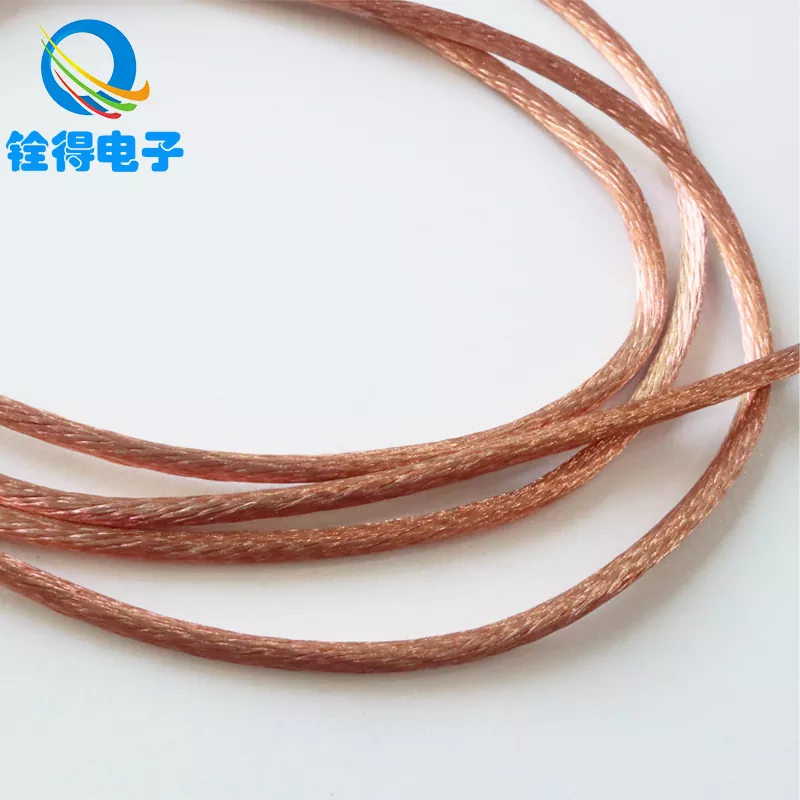
The range of applications is broad, but the selection logic is usually the same: match current needs and mechanical stress. Typical use cases include:
- Power distribution: switchgear, panels, bus links (with proper lugs), inverters, UPS systems.
- Motors and transformers: windings and leads where vibration and heat are real factors.
- Control and signal wiring: automation cabinets, PLC wiring, sensors (especially where routing is tight).
- Harness and cable assemblies: appliances, medical equipment, lighting, and consumer electronics.
- Outdoor or humid environments: equipment that benefits from tinned conductors and stable terminations.
Choosing a Consistent Supplier
Beyond specs, the biggest hidden risk is supplier inconsistency: a wire that meets size on paper but varies in stranding, surface, or annealing from batch to batch can quietly sabotage assembly yield. If you’re qualifying a vendor for Copper Stranded Wire, ask for evidence of stable manufacturing controls, clear batch records, and repeatable inspection routines.
Dongguan Quande Electronics Co., Ltd. supplies copper stranded conductors designed for practical manufacturing needs—stable stranding constructions, controlled finishes, and documentation that helps buyers reduce rework and speed up approvals. When you’re sourcing for long-term production, that kind of consistency matters as much as price.
- Request sample approval: confirm stripping/termination behavior in your own process.
- Lock the construction: define strand count/diameter so replacements don’t change performance.
- Confirm packaging: proper spooling reduces kinks and installation damage.
- Agree on traceability: make sure batch IDs are meaningful and retained.
FAQ
Q: Is Copper Stranded Wire always better than solid copper?
A: Not always. If the wiring is fully static and you want maximum stiffness for certain installations, solid can work well. Stranded is typically chosen when flexibility, vibration resistance, or easier routing matters.
Q: Does higher strand count automatically mean higher quality?
A: It usually means higher flexibility, which can improve fatigue life in moving or vibrating applications. But it must be paired with correct termination methods (often ferrules or proper crimp lugs) to avoid strand splay and inconsistent contact.
Q: When should I choose tinned copper instead of bare copper?
A: Choose tinned copper when corrosion risk is higher (humidity, marine air, chemical exposure) or when soldering stability is important. Bare copper is often preferred in controlled indoor environments where cost and maximum conductivity are priorities.
Q: What causes overheating if the wire size seems correct?
A: The most common culprits are termination issues (loose screws, poor crimp, strand damage) and routing issues (bundled cables trapping heat). Wire size helps, but connections and installation practices often determine real-world temperature rise.
Q: What should I put on a purchase order to avoid receiving the “wrong” stranded wire?
A: Specify conductor size (AWG or mm²), stranding construction (strand count and strand diameter), surface finish (bare or tinned), and any environment or termination constraints. If you only write “copper stranded,” you risk variation that changes assembly behavior.
Conclusion
Reliable electrical systems don’t fail in spreadsheets—they fail at stress points: tight bends, vibrating panels, damp enclosures, and rushed terminations. Copper Stranded Wire is popular because it is designed for those stress points, combining strong conductivity with mechanical resilience. If you define the stranding construction, choose the right surface finish for the environment, and terminate it properly, you dramatically reduce rework and downtime.
If you’re evaluating options or want help matching a stranded construction to your application, reach out to Dongguan Quande Electronics Co., Ltd. and share your current, voltage, routing constraints, and environment details—then contact us to request samples or a tailored recommendation for your next project.
Send Inquiry


X
We use cookies to offer you a better browsing experience, analyze site traffic and personalize content. By using this site, you agree to our use of cookies.
Privacy Policy