
Why Is a Ground Wire Essential for Safe Electrical Systems?
Abstract
A Ground Wire is often treated like a checkbox item—until something goes wrong: a machine chassis tingles, a breaker trips at random, a sensor reads garbage, or a surge takes out a control board. This article breaks down what a ground wire actually does, how it differs from “neutral,” why bonding matters, and what selection and installation details most commonly create customer pain. You’ll also get a clear, field-friendly checklist, a comparison table of common ground wire types, and a troubleshooting FAQ for recurring issues.
Safety note: Electrical work can be dangerous. Always follow local electrical codes and site safety rules, and use a qualified electrician
for design verification and final installation.
Table of Contents
- What is a Ground Wire and what problem does it solve?
- Ground vs neutral vs bonding: the confusion that causes failures
- Customer pain points a proper Ground Wire reduces
- Types of Ground Wire and where each one fits
- How to choose the right Ground Wire for your project
- Installation best practices that prevent rework
- Common mistakes and quick fixes
- Inspection and maintenance tips
- FAQ
Outline
- Define the Ground Wire in plain language and explain the “fault current path.”
- Clarify ground, neutral, and bonding to eliminate typical misconceptions.
- Map real-world pain points (shock risk, EMI/noise, nuisance trips, equipment damage) to grounding quality.
- Compare solid, stranded, braided, and tinned options with typical applications.
- Selection checklist: size, flexibility, environment, terminations, and compliance considerations.
- Installation steps and workmanship details that determine reliability.
- Troubleshooting: ground loops, intermittent continuity, corrosion, and vibration failures.
- Maintenance and documentation practices for long-term safety.
What is a Ground Wire and what problem does it solve?
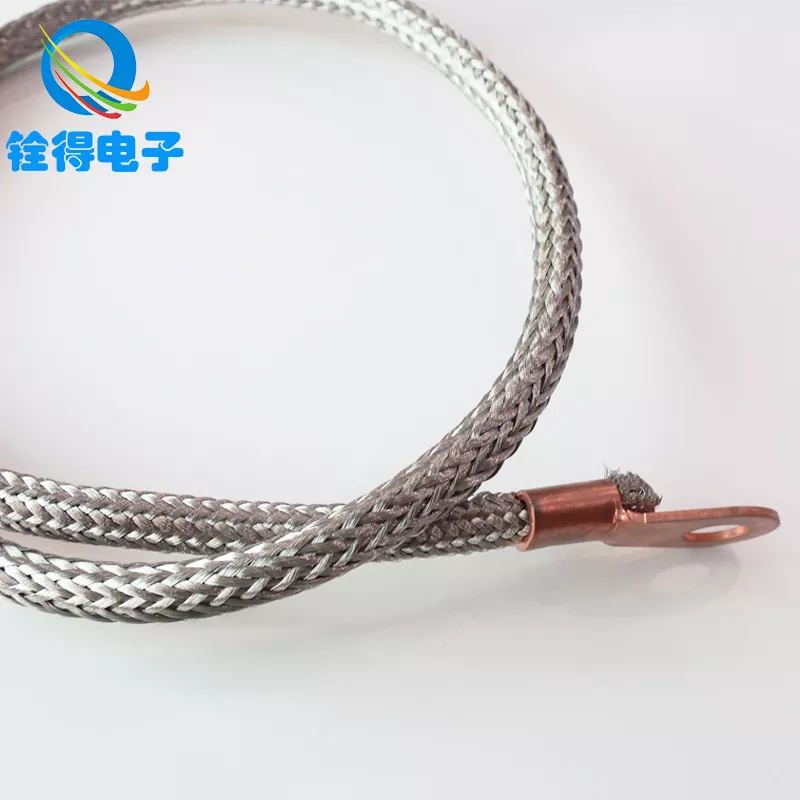
At its core, a Ground Wire is a dedicated conductor that connects exposed metal parts (like equipment enclosures, motor frames, control panels, cable trays, and conduit) to a grounding system. The most important job is not “making electricity disappear.” The job is to provide a low-impedance, predictable path for fault current so protective devices (fuses, breakers, RCD/RCBO protection where used) can operate quickly.
Think of a ground wire as the emergency exit route for dangerous current. When insulation fails or a live conductor touches a metal chassis, fault current wants to flow. If the fault current has a good path through a properly installed ground wire, the protective device can detect the abnormal condition and disconnect power fast. If the path is poor (loose connection, corrosion, undersized wire, painted contact surface), current may “leak” through unintended paths— including you, bearings, signal shields, or sensitive electronics.
Ground vs neutral vs bonding: the confusion that causes failures
Many project issues come from mixing up three different ideas:
- Neutral is a current-carrying return conductor in normal operation (in many AC systems). It is not the same as equipment ground.
- Ground (earthing) is a connection to earth/grounding electrodes and the grounding network used for safety and reference potential.
- Bonding is the intentional connection of metal parts so they share the same electrical potential and clear faults reliably.
The practical takeaway: your Ground Wire is usually part of bonding for equipment safety, and it must be continuous, mechanically reliable, and electrically low-resistance. If neutral and ground are tied together in the wrong place (or in multiple places), you can create circulating currents, noise problems, and unpredictable tripping.
Customer pain points a proper Ground Wire reduces
When customers complain about “random” electrical problems, grounding is often the silent root cause. Here are the pain points that a correctly designed and installed Ground Wire helps reduce:
- Shock risk and safety incidents: a well-bonded chassis stays near earth potential under fault conditions.
- Nuisance tripping: poor connections can cause intermittent fault signatures, especially with vibration or moisture.
- EMI/noise in signals: sensors, PLC inputs, and communication lines can behave erratically when the grounding reference is unstable.
- Damage from surges and lightning transients: a robust grounding network helps manage transient energy paths.
- Bearing and motor issues: stray currents may find paths through bearings when bonding is weak or inconsistent.
- Costly rework: grounding mistakes are rarely visible until commissioning—when every hour is expensive.
A good ground wire strategy turns “mystery downtime” into predictable performance. That’s what buyers ultimately want: fewer callbacks, cleaner data, and safer equipment that passes inspection without drama.
Types of Ground Wire and where each one fits
Not every Ground Wire is the same. The “best” choice depends on movement, vibration, environment, and termination method.
| Type | Strengths | Best-fit applications | Watch-outs |
|---|---|---|---|
| Solid copper | Simple, stable, low cost | Fixed building wiring, static bonding runs | Not ideal for vibration or repeated flexing |
| Stranded copper | More flexible than solid, common and versatile | Panels, equipment grounding conductors, general industrial wiring | Needs proper lug/crimp technique to avoid loose strands |
| Braided ground wire | Excellent flexibility, high surface area, good for moving joints | Door bonding, hinges, machine guards, vibration-prone equipment | Must be protected from abrasion; terminations must be robust |
| Tinned copper (solid/stranded/braid) | Improved corrosion resistance, good in humid or salty environments | Outdoor enclosures, coastal installs, harsher industrial settings | Still requires good surface prep and sealing practices |
If your application includes doors, removable covers, or vibration (think generators, EV chargers, CNC machines, elevators, and metal cabinets that open/close daily), braided options can dramatically reduce fatigue-related failures.
How to choose the right Ground Wire for your project
Choosing a Ground Wire is less about “thicker is always better” and more about meeting safety requirements reliably under real site conditions. Use this checklist to avoid the classic buyer regrets:
- Electrical capacity: Size the conductor per applicable code/standard and the upstream protective device. The ground path must safely carry fault current long enough for protection to operate.
- Mechanical environment: If it moves, bends, or vibrates, prioritize flexibility (stranded or braided) and strain relief.
- Corrosion exposure: Humidity, salt spray, chemicals, and outdoor installs often benefit from tinned copper and protected terminations.
- Termination method: Match wire type to lugs, ferrules, crimp tools, and torque specs. A great wire fails if the termination is sloppy.
- Routing constraints: Avoid sharp edges and pinch points. Plan for service loops where panels open.
- Consistency and documentation: Standardize part numbers and installation notes across builds so maintenance teams aren’t guessing.
This is where a specialized manufacturer can help. Dongguan Quande Electronics Co., Ltd. supports grounding conductor solutions used in industrial and electrical applications, including flexible braided options when movement and reliability matter. For buyers, the win is reducing variability: consistent construction and predictable handling during assembly means fewer surprises at commissioning.
Installation best practices that prevent rework
Most grounding failures are not caused by the conductor itself—they’re caused by workmanship. Here’s a field-proven approach that keeps a Ground Wire dependable for years:
| Step | What to do | Why it matters |
|---|---|---|
| 1) Prep the contact surface | Remove paint/oxidation at bonding points; use proper washers where required | Paint is an insulator; oxidation adds resistance |
| 2) Choose the right termination | Use correct lug/ferrule type and size; crimp with calibrated tools | Bad crimps loosen, heat up, and fail under vibration |
| 3) Control strain and movement | Add service loops for doors; secure routing with clamps; protect braid from rubbing | Fatigue and abrasion cause intermittent continuity |
| 4) Torque to spec | Use a torque tool where possible; recheck after initial run-in if vibration is present | Loose joints are the #1 grounding defect in audits |
| 5) Verify continuity | Measure continuity from chassis to ground bar; document results | Finds hidden faults before power-up |
One simple habit that saves headaches: treat grounding points like critical safety components, not “extra screws.” Label them, inspect them, and keep them accessible.
Common mistakes and quick fixes
Here are repeat offenders that cause the most customer complaints, plus the fastest corrective actions:
- Grounding on painted metal: strip paint at the lug area and use proper bonding hardware.
- Undersized conductor “because it’s not carrying current”: size for fault conditions, not normal operation.
- Using solid wire on moving doors: switch to stranded or braided ground wire with strain relief.
- Loose fasteners after vibration: apply correct torque practices, locking hardware where appropriate, and a re-torque check after burn-in.
- Messy routing near sharp edges: add edge protection, grommets, and clamps; keep the ground path physically protected.
- Multiple ground/neutral bonds where they shouldn’t be: review the system diagram and correct bonding points according to your standard and site rules.
Inspection and maintenance tips
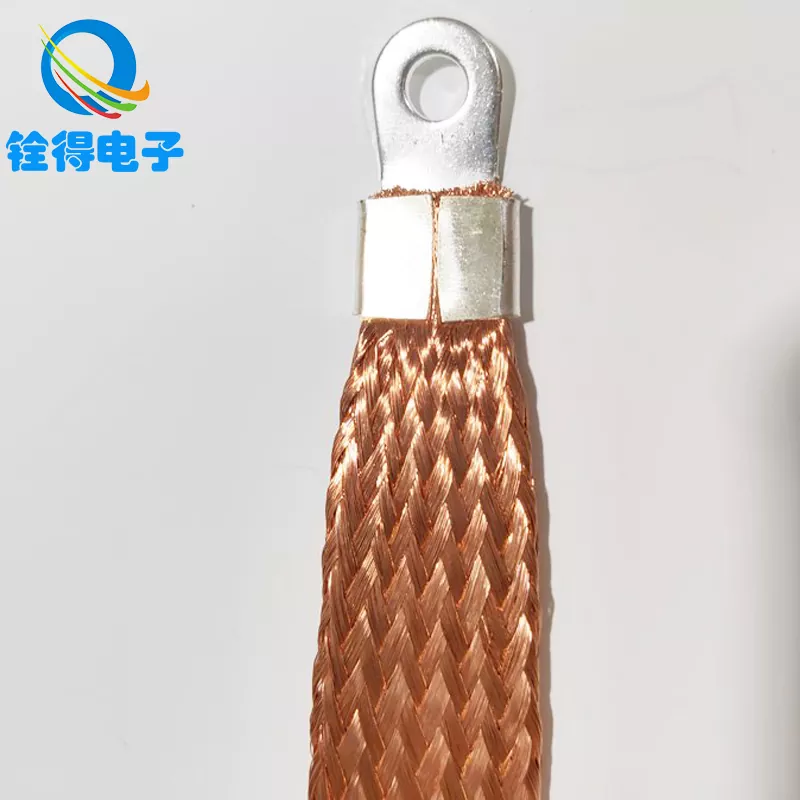
A Ground Wire is only as reliable as its weakest connection. Build these checks into routine maintenance, especially in high-vibration or outdoor installations:
- Visual inspection: look for discoloration, frayed braid, corrosion around lugs, and loose clamps.
- Mechanical check: gently test for movement at terminals; anything that wiggles is a future failure.
- Continuity spot-checks: verify low resistance from chassis/door to ground bar during planned shutdowns.
- Environmental sealing: in humid or corrosive sites, improve sealing and consider corrosion-resistant materials and protective covers.
- Documentation: record grounding test results and any changes—future troubleshooting becomes dramatically faster.
FAQ
Q: Can I use any wire as a Ground Wire if it “connects to metal”?
A: It must be suitable for the application and sized correctly for fault current paths under your governing code/standard. Also, the termination method and contact surface preparation are just as important as the conductor itself.
Q: Why do I see noise or unstable sensor readings even when the Ground Wire is connected?
A: Common causes include loose bonding points, poor routing near high-current cables, multiple bonding points creating circulating currents, or a weak reference point between panels. Improve bonding integrity, separate sensitive signal routes from power routes, and review where bonds occur.
Q: When should I consider braided ground wire?
A: When there is movement or vibration—doors, hinged covers, machine guards, flexible joints, or any place a solid conductor would fatigue over time. Braided options are often chosen to reduce intermittent continuity failures.
Q: Does a thicker Ground Wire always mean better protection?
A: Not automatically. The goal is a low-impedance fault path that matches the protective device and the installation rules. Oversizing can create routing/termination issues if lugs and hardware aren’t matched. “Correctly sized + correctly installed” beats “very thick + poorly terminated.”
Q: Why does my breaker or RCD/RCBO trip during startup even though nothing is “wrong”?
A: Startup transients, leakage currents from filters/VFDs, moisture, or unstable bonding can cause trips. Verify grounding continuity, check insulation condition, confirm correct protective device type, and review the grounding/bonding layout for unintended parallel paths.
Q: What’s the fastest way to confirm my Ground Wire connection is doing its job?
A: Perform a continuity test between the equipment chassis (and any doors/guards) and the main ground bar, then confirm terminations are tight and bonded on clean metal. Document the result so changes over time are easy to spot.
Final takeaway
A Ground Wire is not just a safety formality—it’s a performance component. It reduces shock risk, improves system stability, protects electronics, and saves time during commissioning by preventing the “ghost faults” that waste days. If you treat grounding like a designed system (not an afterthought), you get safer installations and calmer maintenance teams.
If you’re specifying grounding conductors for panels, equipment enclosures, or flexible bonding points, Dongguan Quande Electronics Co., Ltd. can help you match conductor style to real operating conditions. Ready to reduce rework and improve reliability? Contact us with your application details, and we’ll help you choose a grounding solution that fits your environment, movement needs, and installation workflow.
Send Inquiry


X
We use cookies to offer you a better browsing experience, analyze site traffic and personalize content. By using this site, you agree to our use of cookies.
Privacy Policy